6 Powerful Ways to Reclaim Your Health: Reopening Minds and Bodies After the Pandemic
We are still locked down as of the date of this post. I hear stories that this is going to change any day now, but I stopped listening to all of the experts. Why? Because no one really knows. It is better to accept that we will be learning about our pandemic for years to come. Committees will be formed, people will be scrutinized for what they did/did not do during the crisis. But what is being left out: a renewed responsibility for us to take control of our health. Reopening minds and bodies wont come easily.
We can’t blame our governor for this, we can’t blame our POTUS and his committees for it either. In a way, we can turn to Ayn Rand for her writing on personal responsibility (although an abstract in our current situation). Simply put, it is our own doing if we are not taking the warnings to improve our health. Second wave? No problem. Said no one, ever. Not even a fitness giant. No one is immune from COVID19, but we do have enough data right now to explore trends.
Understanding the Pandemic’s Impact on Our Physical and Mental Wellness
The pandemic exposed a critical vulnerability in our society: our collective health crisis. Data revealed that individuals with underlying conditions—obesity, diabetes, cardiovascular disease—faced significantly higher risks from COVID-19. This wasn’t just a virus problem; it was a mirror reflecting decades of declining physical activity, poor nutritional choices, and sedentary lifestyles that had become normalized in modern society.
The lockdowns compounded these issues, creating a perfect storm of inactivity, stress eating, disrupted sleep patterns, and mental health challenges. Gyms closed, outdoor activities were restricted, and many people found themselves trapped in cycles of anxiety and physical decline. The question we must ask ourselves: will we emerge from this crisis having learned nothing, or will we use this wake-up call to fundamentally transform how we approach health and wellness?
People who work out and the trainers that inspire them are unique. Unless you are in this relatively small group, you likely don’t understand or ‘get’ the passion needed to make it to the gym every day just as you would shower or go to work. So when the lockdown of gyms became a reality, before I knew differently, I would wager a guess that there were very few in the industry who actually stopped working out. I also felt for the people who started their New Year’s resolutions, only to have them put on PAUSE while we all make room to welcome a particularly nasty virus. But as I reached out to more and more colleagues and professionals, I was hearing a different message. Some were liking the lockdown, enjoying family time and reconnecting with loved ones. I then realized how situational fitness and wellness are. Again, reopening minds and bodies wont come easily
The Solution: Reopening Minds and Bodies Through Personal Accountability
The path forward requires us to fundamentally shift our mindset about health. We must move from reactive healthcare to proactive wellness, from dependence on external authorities to personal empowerment. Here are seven powerful strategies for reopening both minds and bodies:
1. Establish Non-Negotiable Daily Movement Habits
Create a routine that doesn’t require a gym membership or perfect conditions. Whether it’s a morning walk, bodyweight exercises, or yoga in your living room, consistency trumps intensity. The goal is to rebuild the habit of prioritizing physical activity regardless of external circumstances.
2. Build Metabolic Resilience Through Nutrition
Focus on whole foods, adequate protein intake, and eliminating processed foods that compromise immune function. Your nutrition directly impacts your body’s ability to fight infection and recover from illness. This isn’t about restrictive dieting; it’s about fueling your body for optimal performance and disease resistance. Its about reopening minds and bodies!
3. Prioritize Sleep as a Health Fundamental
The pandemic disrupted sleep schedules worldwide, but quality sleep is non-negotiable for immune function, mental health, and metabolic health. Establish consistent sleep-wake times, create a technology-free bedroom environment, and recognize that seven to nine hours of sleep is an investment, not a luxury.
4. Create Home Fitness Solutions That Last
Invest in minimal equipment—resistance bands, dumbbells, a yoga mat—and learn to use your bodyweight effectively. The pandemic taught us that dependence on external facilities creates vulnerability. Building a home practice ensures you’re never without options for maintaining your fitness.
5. Seek Community and Accountability
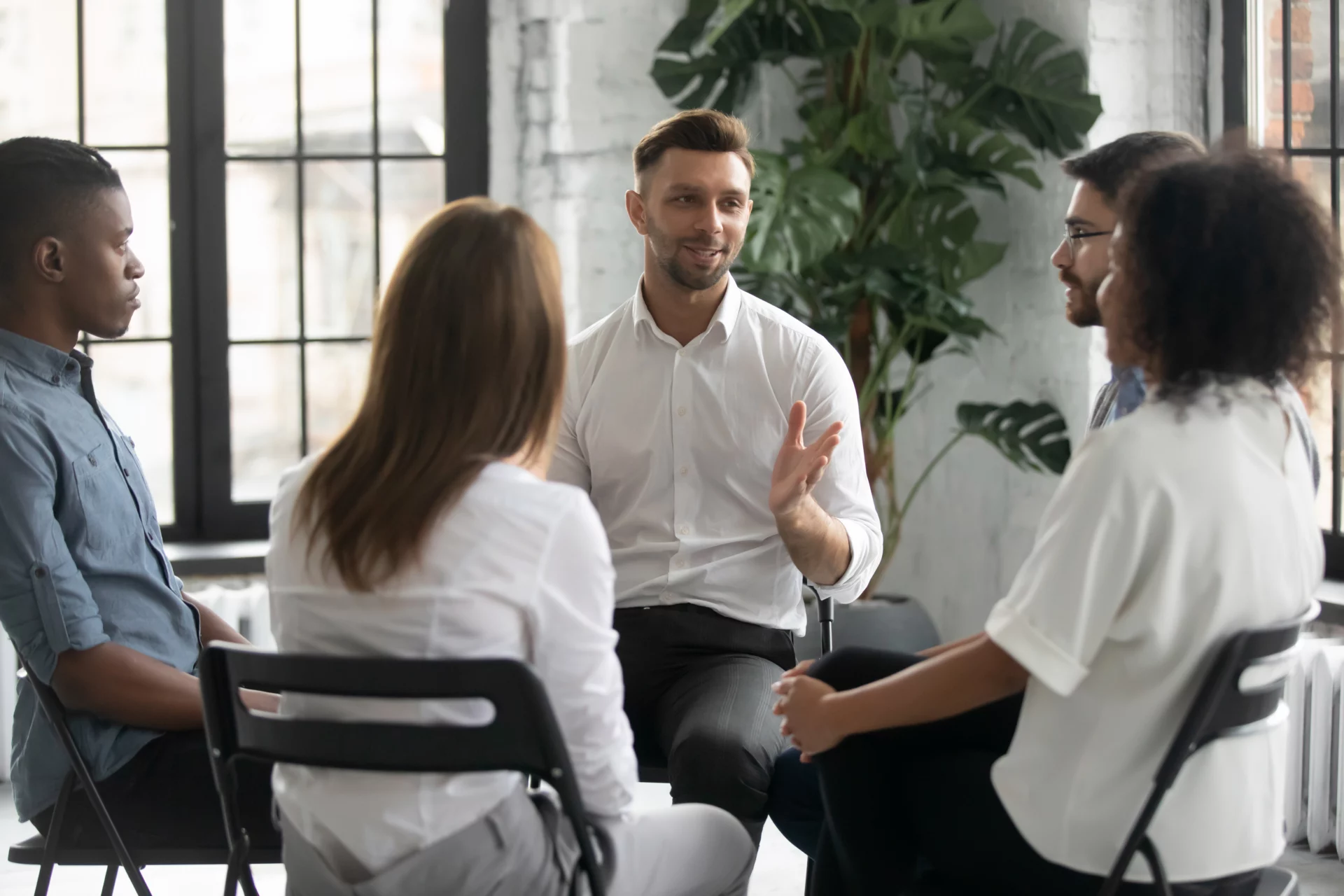
Isolation was one of the pandemic’s most damaging aspects. Join virtual fitness communities, find an accountability partner, or work with an online coach. The social component of wellness is crucial for long-term adherence and mental health support.
6. Develop Mental Resilience Practices
Incorporate meditation, journaling, or breathwork into your daily routine. The stress and uncertainty of the pandemic highlighted how interconnected physical and mental health truly are. Building psychological resilience makes you better equipped to handle future challenges without abandoning healthy habits.
7. Educate Yourself on Health Metrics That Matter
Understand your blood pressure, blood glucose levels, body composition, and cardiovascular fitness. Knowledge is power, and tracking these metrics helps you see tangible evidence that your efforts are building genuine disease resistance, not just aesthetic improvements.
The Fitness Professional’s Renewed Mission: Reopening Minds and Bodies
Fitness professionals have a tremendous influence on where we go from here. We can really lean into this and look for ways to better serve our clients, we can collaborate with other allied fields to have heightened skills and we can make our population more resistant (and less fearful) of the devastating effects of contracting a virus like COVID19. We are fortunate for the most part, to not be at elevated risk; but we know this, we have enjoyed this fact for decades. Now our mission is to get the message to the masses so that we don’t have such a drastic panic when history repeats this awful time. Hopefully, reopening minds and bodies wont be insumountable.
The fitness industry must evolve from selling six-pack abs to building genuine health resilience. This means educating clients about how exercise strengthens immune function, reduces inflammation, improves mental health, and creates metabolic flexibility. It means partnering with healthcare providers, nutritionists, and mental health professionals to offer comprehensive wellness solutions.
We have an opportunity to reach those who previously felt intimidated by gym culture or thought fitness wasn’t for them. The pandemic democratized fitness in many ways, showing that effective workouts can happen anywhere. Our challenge is to maintain that accessibility while rebuilding the community and expertise that make professional guidance valuable.
Moving Forward: Reopening Minds and Bodies for a Healthier Future
The lessons from this pandemic are clear: personal health is not optional, it’s not something to defer until tomorrow, and it cannot be outsourced entirely to medical professionals or government mandates. Each of us must take ownership of our physical and mental wellness, building bodies and minds that are resilient enough to weather whatever challenges come next.
This isn’t about blame or guilt for past choices. It’s about empowerment and possibility. Every day offers a fresh opportunity to make choices that strengthen rather than weaken us. The pandemic forced a pause, but it doesn’t have to define our future. By reopening our minds to new possibilities and reopening our bodies to movement, strength, and vitality, we can emerge from this crisis stronger, healthier, and more prepared for whatever lies ahead.
The question is simple: will you take control, or will you wait for the next crisis to force your hand? The time to reopen minds and bodies is now.
People who work out and the trainers that inspire them are unique. Unless you are in this relatively small group, you likely don’t understand or ‘get’ the passion needed to make it to the gym every day just as you would shower or go to work. So when the lockdown of gyms became a reality, Before I knew differently, I would wager a guess that there were very few in the industry who actually stopped working out. I also felt for the people who started their New Year’s resolutions, only to have them put on PAUSE while we all make room to welcome a particularly nasty virus. But as I reached out to more and more colleagues and professionals, I was hearing a different message. Some were liking the lockdown, enjoying family time and reconnecting with loved ones. I then realized how situational fitness and wellness are.
Fitness professionals have a tremendous influence on where we go from here. We can really lean into this and look for ways to better serve our clients, we can collaborate with other allied fields to have heightened skills and we can make our population more resistant (and less fearful) of the devastating effects of contracting a virus like COVID19. We are fortunate for the most part, to not be at elevated risk; but we know this, we have enjoyed this fact for decades. Now our mission is to get the message to the masses so that we don’t have such a drastic panic when history repeats this awful time.