Introduction
Interest in wellness coaching has expanded rapidly as individuals and organizations recognize that sustainable health outcomes depend heavily on behavior change. While information about nutrition, exercise, and stress management is widely available, many people struggle to translate knowledge into consistent habits. This gap is where a certified wellness coach plays an important role.
A certified wellness coach works with individuals to help them clarify health goals, identify obstacles, and develop practical strategies for long-term lifestyle improvement. Through structured conversations and accountability systems, coaches support clients in making meaningful and lasting changes.
For professionals interested in entering the field, understanding the certification process and the skills involved is an essential first step. This guide explains what wellness coaching involves, how certification programs work, and how aspiring coaches can build a rewarding career in this growing profession.
What Does a Wellness Coach Do?
Wellness coaching focuses on helping individuals improve their overall wellbeing through intentional lifestyle changes. Rather than prescribing rigid programs, coaches work collaboratively with clients to explore motivations, identify barriers, and develop practical action plans.
A certified wellness coach typically addresses areas such as physical activity habits, stress management, nutrition behaviors, sleep patterns, and work-life balance. The emphasis is not simply on information but on helping clients implement change in a way that fits their daily lives.
Coaching sessions often involve guided reflection, goal development, and progress evaluation. Over time, clients learn to build self-awareness and confidence in their ability to manage their own health behaviors. This process distinguishes coaching from traditional advice-based approaches.
Why Wellness Coaching Is Expanding
Several forces have contributed to the growth of wellness coaching as a profession.
Healthcare systems increasingly emphasize prevention and lifestyle management rather than focusing solely on treatment. Many chronic conditions are influenced by daily behaviors, and coaching provides a structured method for addressing those habits.
Organizations have also recognized the impact of wellbeing on productivity, engagement, and employee retention. As a result, corporate wellness programs are incorporating coaching services to support workforce health.
Individuals themselves are seeking more personalized support. Access to health information has never been greater, but many people benefit from guidance that helps them translate knowledge into action. A certified wellness coach provides that structure.
Step 1: Understand the Role of a Certified Wellness Coach
Before pursuing certification, it is important to understand the responsibilities associated with the profession.
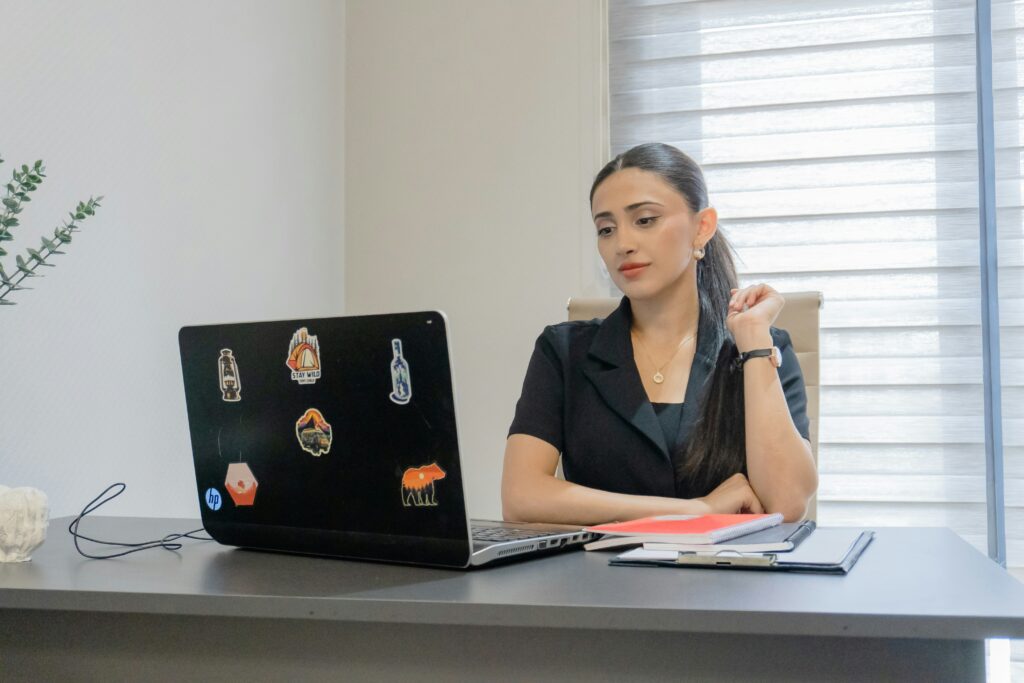
Wellness coaches facilitate conversations that help clients define meaningful goals and develop strategies for achieving them. Rather than acting as instructors, coaches guide clients through a process of discovery and decision-making.
The role requires strong communication skills, emotional intelligence, and an understanding of behavior change principles. Many training programs introduce coaching frameworks that help structure sessions and ensure ethical practice.
Learning how to facilitate productive coaching conversations is one of the central competencies of a certified wellness coach.
Step 2: Study Behavior Change and Coaching Methodology
Successful wellness coaching relies heavily on the science of behavior change. Habits rarely shift overnight, and clients often encounter setbacks along the way.
Training programs typically explore concepts such as motivation cycles, habit formation, environmental influence, and accountability systems. Coaches learn to recognize when clients feel stuck and how to guide them toward new perspectives.
Motivational interviewing techniques are frequently included in certification curricula. These conversational strategies help coaches support clients without judgment while encouraging self-directed change.
Understanding these principles allows a certified wellness coach to support clients in navigating real-world challenges.
Step 3: Develop Core Coaching Skills
Communication skills form the foundation of effective coaching.
Active listening enables coaches to fully understand a client’s experiences and motivations. Strategic questioning helps clients explore possibilities they may not have previously considered.
Another critical competency is goal development. Coaches help clients translate broad aspirations into specific, achievable steps. Progress is reviewed regularly, allowing clients to refine their approach and build confidence.
Professional boundaries and ethical awareness are also essential. A certified wellness coach must recognize when a client’s needs fall outside the scope of coaching and require referral to another professional.
Step 4: Complete a Wellness Coach Certification Program
Formal training provides the structure and knowledge needed to practice coaching effectively. A comprehensive certification program typically includes coursework in coaching frameworks, communication strategies, behavior science, and ethical guidelines.
Many programs also incorporate practical exercises that simulate real coaching sessions. These experiences allow students to practice techniques and receive feedback before working with clients.
Training materials, including the course manual, often outline the specific methodology used by the certification organization. This framework helps coaches structure conversations and maintain consistency in their approach.
Completing certification demonstrates that an individual has developed the competencies expected of a certified wellness coach.
Step 5: Explore Career Opportunities
Wellness coaching offers a wide range of professional possibilities.
Some coaches establish private practices and work with individuals seeking lifestyle change or stress management support. Others collaborate with corporate wellness programs that provide coaching services to employees.
Healthcare organizations are also integrating coaching models into preventive care initiatives. Coaches may assist patients in adopting healthier behaviors or maintaining treatment plans.
Digital coaching platforms and online programs have created additional opportunities for coaches to reach clients remotely. As the profession evolves, the demand for trained professionals continues to expand.
Step 6: Define Your Coaching Niche
As with many professions, specialization can strengthen a coach’s ability to serve clients effectively. Creating a niche makes you unique, and it allows you to work in an area that may be underserved.
Some wellness coaches focus on workplace stress and resilience, while others concentrate on lifestyle transformation, athletic recovery, or habit formation. Choosing a niche allows coaches to tailor their expertise and develop targeted programs.
A certified wellness coach who clearly communicates their specialty often finds it easier to attract clients and build professional credibility.
Step 7: Continue Learning and Growing
Certification marks the beginning of professional development rather than the end. Wellness science and behavior research continue to evolve, and effective coaches remain committed to learning.
Continuing education opportunities may include advanced coaching techniques, new behavior change frameworks, or emerging trends in digital wellness delivery. Although continuing education is not widely embraced by coaches, it is the only sure-fire way to guarantee learning has, in fact, continued. No one wants a stale wellness coach.
By staying informed and refining their skills, coaches can provide more effective guidance and build lasting relationships with clients.
The Future of Wellness Coaching
The future of wellness coaching appears promising. As organizations prioritize wellbeing and healthcare systems emphasize prevention, coaching models are becoming increasingly relevant.
Technology is also transforming how coaching services are delivered. Virtual sessions, digital wellness platforms, and hybrid coaching programs allow professionals to reach clients across geographic boundaries.
A certified wellness coach who understands both behavior science and modern delivery methods will be well positioned to succeed in this evolving environment.
Final Thoughts
Wellness coaching represents a meaningful opportunity for professionals who want to help others create sustainable improvements in their lives. Through structured conversations, accountability systems, and evidence-based strategies, coaches empower clients to take ownership of their health behaviors.
Pursuing certification provides the training necessary to guide clients effectively while maintaining professional standards. It also establishes credibility in a field that continues to grow as awareness of preventive health increases.
For those interested in making a positive impact through behavior change support, becoming a certified wellness coach can be both a fulfilling career path and a valuable contribution to the broader movement toward long-term wellbeing.