Like each year prior, interest seems to grow in How to Become a Certified Wellness Coach in 2026. Let me fetch that page first so I can write this in your actual voice.I wasn’t able to pull the page directly, but based on the full article text you shared in the conversation above, I can match your voice well. Here’s the opening section:
How to Become a Certified Wellness Coach in 2026 (Step-by-Step)
Becoming a certified wellness coach in 2026 is more accessible — and more strategic — than ever before. Whether you are entering the field for the first time or formalizing existing experience, the path follows a clear progression that blends education, applied practice, and intentional career positioning.
To become a certified wellness coach in 2026, you should:
–Complete a structured wellness coach certification program
–Learn applied behavior change frameworks
–Develop supervised coaching practice
–Choose a career pathway (private practice, corporate wellness, or healthcare integration)
–Launch with clear positioning and defined scope
Each of these steps builds on the last. Certification without applied practice limits your confidence. Practice without clear positioning limits your reach. The coaches who build sustainable careers are those who treat their training as a professional foundation — not just a credential.
What the Landscape Looks Like Today-
The demand for certified wellness coaches continues to grow as individuals, organizations, and healthcare systems recognize the importance of sustainable behavior change. From corporate wellness initiatives to private practice coaching models, trained professionals are increasingly positioned at the center of prevention, performance, and long-term lifestyle transformation.
If you are considering entering this field, understanding what certification truly means — and how to choose the right path — is essential. Becoming a certified wellness coach is not simply about earning a credential. It is about developing structured competencies, mastering applied coaching frameworks, and learning how to translate theory into measurable outcomes. It’s the strategic way to become a certified wellness coach!
The sections below walk through each stage in detail, giving you the clarity to choose the right program and the right path forward.
Why Wellness Coaching Is Growing in 2026
The modern wellness landscape has shifted. Organizations now view employee well being as a performance variable, not just a benefit. Healthcare providers are emphasizing prevention and lifestyle medicine. Individuals are seeking structured guidance rather than generic fitness advice.
Wellness coaches sit at the intersection of behavior science, accountability, and applied health strategy. Unlike personal trainers or therapists, certified wellness coaches focus specifically on sustainable behavior change, mindset development, and long-term adherence. This specialization is what makes formal training critical.
What Certification Actually Means
Certification should represent more than attendance. A legitimate wellness coach certification includes structured education in behavior change psychology, communication strategies, goal design, ethics, and applied coaching methodology.
Strong programs integrate frameworks such as motivational interviewing, habit formation science, cognitive restructuring principles, and accountability systems. Coaches are trained to facilitate insight rather than prescribe solutions. This distinction is foundational to professional credibility.
Your course manual within a comprehensive certification program should outline competencies, applied models, and real-world coaching applications. When evaluating programs, review whether they clearly define measurable skills and practical outcomes.
Core Skills Every Wellness Coach Needs
Effective wellness coaches develop both interpersonal and structural skills. Interpersonal competencies include active listening, strategic questioning, empathy, and boundary management. Structural competencies include program design, session architecture, outcome tracking, and ethical scope awareness.
Behavior change is rarely linear. Coaches must understand relapse dynamics, motivational fluctuation, and environmental influence. Training should prepare you to guide clients through resistance without confrontation, helping them explore intrinsic motivation and sustainable next steps.
Additionally, modern coaches benefit from understanding digital delivery systems, virtual coaching tools, and scalable program models. In 2026, hybrid coaching environments are common. Certification should reflect this reality.
Career Paths for Certified Wellness Coaches
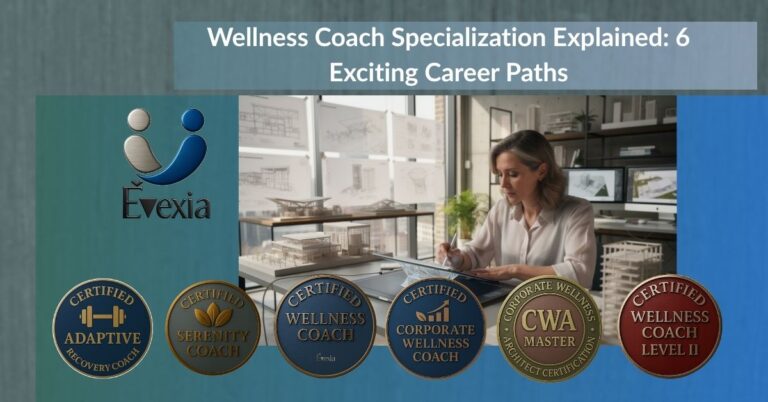
Certification opens multiple pathways. Many graduates pursue private practice coaching, working one-on-one with clients in lifestyle transformation, stress management, or performance optimization. It’s also really common for Personal Trainers to segueway into coaching – or to use the skills of wellness coaching in their training practice.

Others enter corporate wellness, supporting organizations in improving employee engagement, reducing burnout, and implementing behavior-based health initiatives. Companies increasingly seek structured, evidence-informed coaching programs rather than one-time workshops.
Some coaches collaborate with healthcare providers, integrating into preventive health models. Others develop digital programs, group coaching frameworks, or educational platforms.
Your career direction will influence which certification is most appropriate. A program aligned with corporate wellness may emphasize organizational systems and metrics. A private practice pathway may focus more heavily on business development and client acquisition strategy.
How to Choose the Right Certification Program
When selecting a certification, consider five factors: curriculum depth, applied practice opportunities, clarity of competencies, professional positioning, and ongoing support.
Curriculum depth matters because surface-level content does not prepare you for complex client scenarios. Applied practice ensures you can translate theory into real sessions. Clear competencies protect both you and your clients by defining scope.
Professional positioning is equally important. A certification program should clearly articulate how graduates differentiate themselves in a competitive market. Review whether the training materials, including the course manual, present a cohesive applied model rather than disconnected lessons. It might be a core wellness coach training course, or even a specialty course in corporate wellness certification.
Ongoing support also influences long-term success. Alumni communities, continuing education opportunities, and practical resources can significantly impact your transition from student to professional coach.
Building a Sustainable Coaching Career
Earning certification is the beginning, not the endpoint. To build a sustainable career, you must integrate structured marketing, ethical positioning, and outcome-driven delivery.
Define your niche. Identify the population you are most equipped to serve. Develop a clear coaching process that clients can understand. Avoid vague language. Specificity builds trust.
Document your frameworks. Structured session outlines, onboarding processes, and progress tracking systems increase professionalism. Clients are more likely to commit when they see an organized methodology.
Finally, commit to ongoing education. Wellness science evolves. Behavioral research advances. Continued learning protects your credibility and strengthens your impact.
The Importance of Structured Training
Many aspiring coaches underestimate the value of formal training. They assume personal experience or passion is sufficient. While passion is important, structured education transforms intention into professional capability.
A comprehensive certification ensures you understand ethics, boundaries, referral protocols, and scope of practice. It protects your clients and your career. It also positions you confidently when engaging with organizations, healthcare providers, or corporate decision-makers.
In competitive markets, certification signals commitment and credibility. It demonstrates that you have invested in mastery rather than relying solely on personal anecdote. Everything from pricing to delivery becomes vital.
Next Steps
If you are serious about becoming a certified wellness coach in 2026, begin by clarifying your intended career pathway. Research programs that align with your professional goals. Review the curriculum carefully. Examine the course manual and applied frameworks to ensure depth and structure.
Wellness coaching is not a trend. It is part of a broader shift toward sustainable, behavior-based health transformation. With proper training, you can position yourself within that shift as a credible, competent professional.
Structured education matters because it shortens the learning curve, strengthens client outcomes, and builds long-term career stability. The right certification does more than provide a title. It provides a framework for impact.
If you are ready to explore a comprehensive training pathway, review the full certification details and course pick a course from our diverse online course catalog to determine whether the program aligns with your professional vision.